

Cataract Surgery
- Home
- Cataract Surgery
Cataract: Causes, Symptoms, and Treatment
A cataract is a clouding of the lens in your eye that affects vision clarity. It occurs when proteins in the lens break down and clump together, forming cloudy areas. Cataracts develop gradually, often in both eyes, and may make vision dull, blurry, or less colorful. Early stages may not affect vision, but over time, cataracts can interfere with daily activities like reading, driving, or watching TV. They cannot spread from one eye to another.
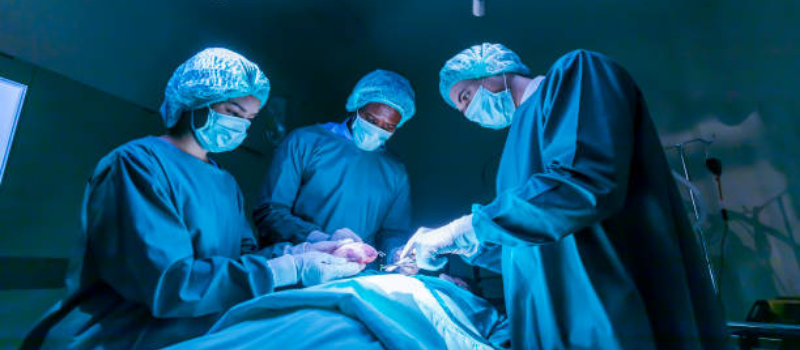
Learn about types, causes, and effective treatments for cataracts.
Key Benefits
Types of Cataracts
Age-related, congenital, secondary, and traumatic cataracts affect vision differently.
Common Causes
Smoking, alcohol, diabetes, UV exposure, steroid use, and nutritional deficiency contribute.
Early Stage Management
Glasses, magnifiers, or stronger lighting can help before surgery is needed.
Surgical Treatment
Surgery replaces the cloudy lens with an artificial lens when vision loss affects daily life.
Safety and Effectiveness
Cataract surgery is safe, common, and highly effective in restoring clear vision.
Post-Surgery Care
Each eye is treated separately, and follow-up care ensures proper healing and vision improvement.